Is Your House Trying to Tell You Something? 5 Signs of a Brewing Drain Disaster
5 Signs of A Brewing Drain Disaster
Most homeowners treat their drainage system like an "out of sight, out of mind" utility.
But before a total blockage occurs, your pipes will almost always try to warn you that something is wrong.
At Drainology, we’ve saved our customers thousands of rands by catching these five subtle warning signs early. Is your house dropping hints?
1. The "Mystery Gurgle"
Do you hear a glug-glug sound from the bathroom sink when you flush the toilet? Or perhaps the bathtub bubbles when the washing machine drains?
This isn't "just a quirk" of an old house. It’s a sign of trapped air caused by a partial blockage.
Your pipes are struggling to breathe, and a total backup is usually just days away.
2. The "Slow Motion" Sink
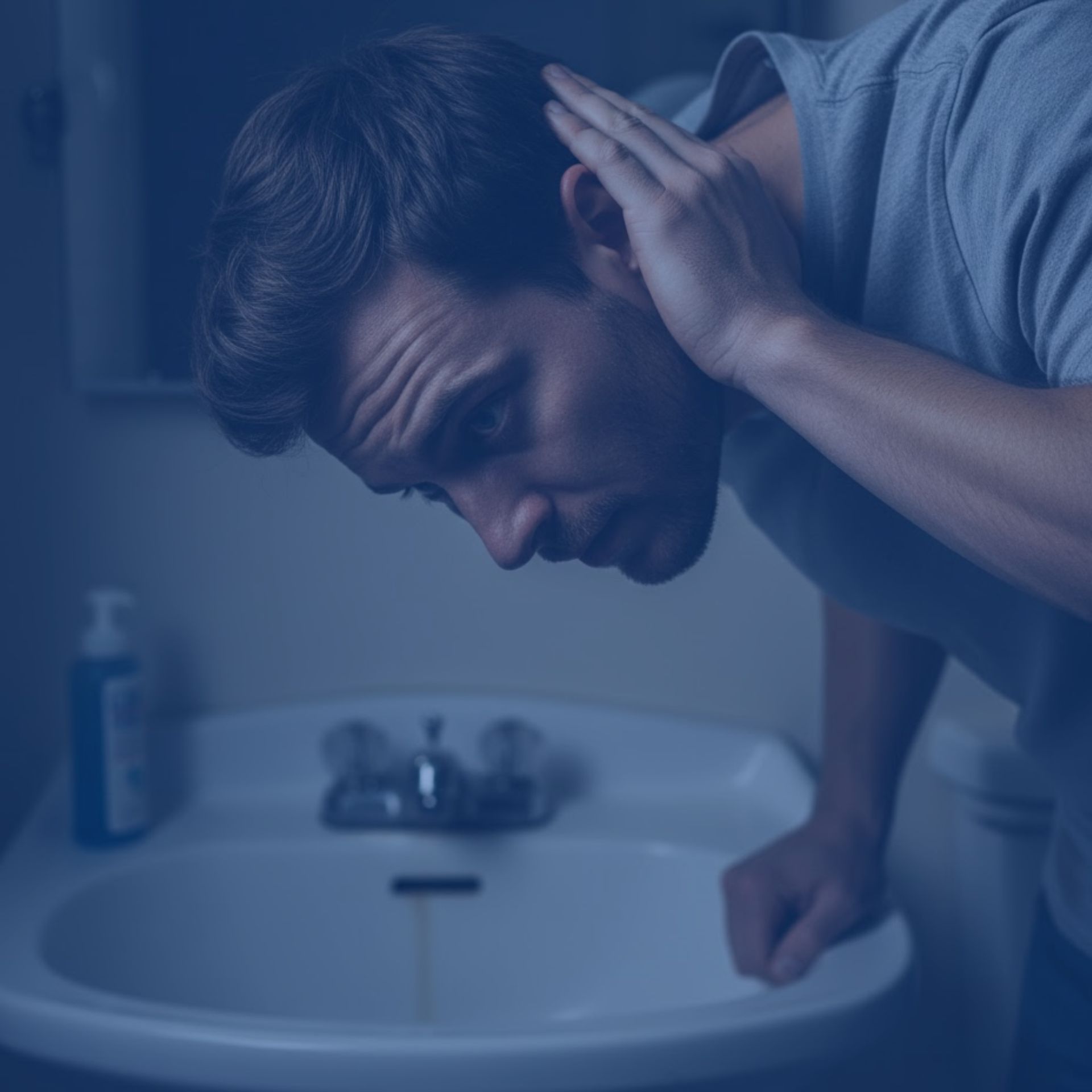
If your morning shower involves standing in two inches of water, or your kitchen sink takes an age to clear, the "fatberg" has already started to form.
While it’s tempting to ignore a slow drain, this is the most cost-effective time to call Drainology. Clearing a partial clog is much cheaper than fixing a burst pipe caused by pressure build-up.
3. Unexpected "Garden Guests"
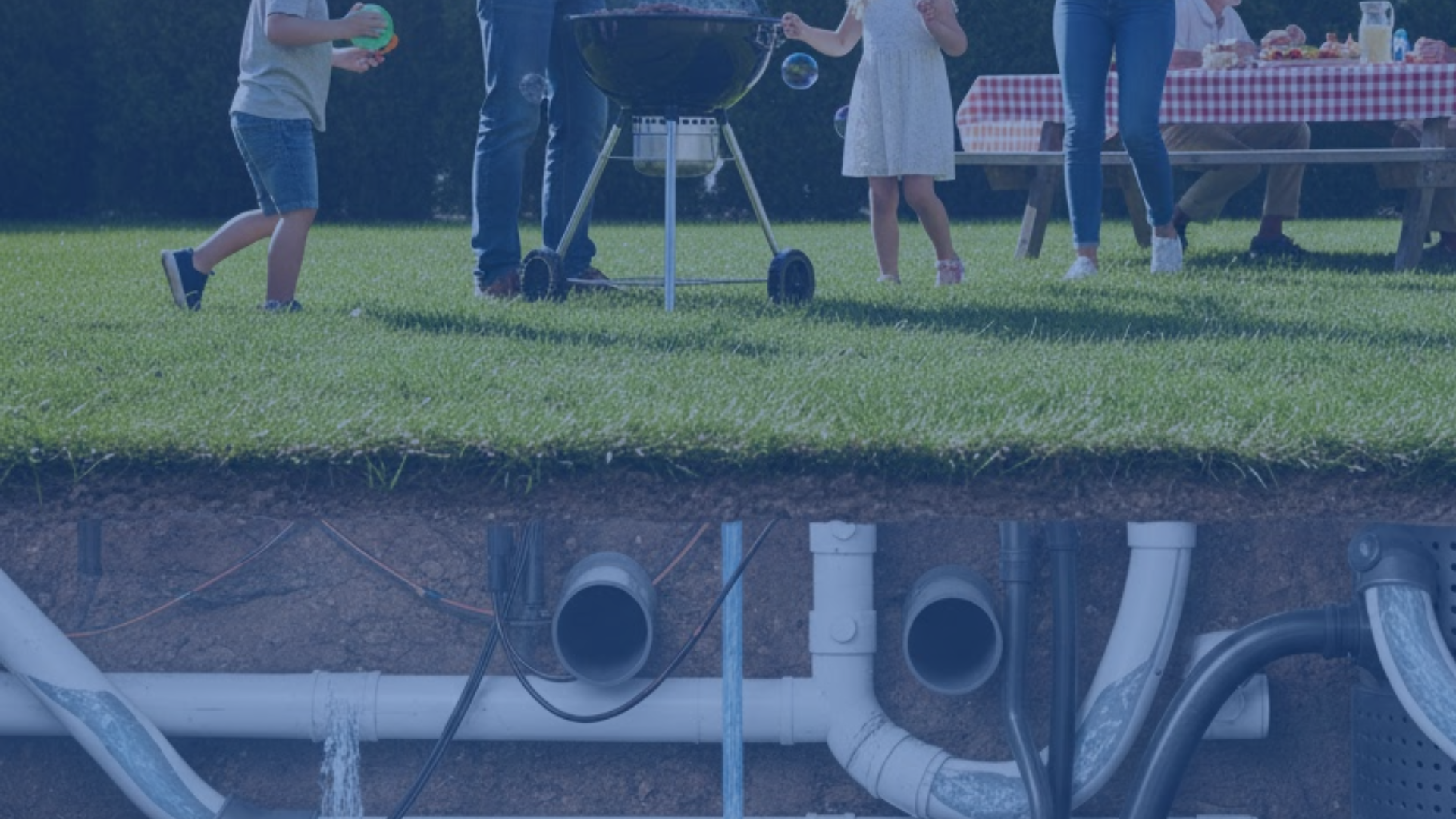
Have you noticed a specific patch of grass in your garden that is greener, taller, or lusher than the rest? Or perhaps a localized area that stays soggy even in the sun?
This is a classic sign of a cracked underground pipe. The sewage is acting as a fertilizer, but the resulting sinkhole or foundation damage won't be quite as pretty.
4. The Return of the "Ghost Odour"
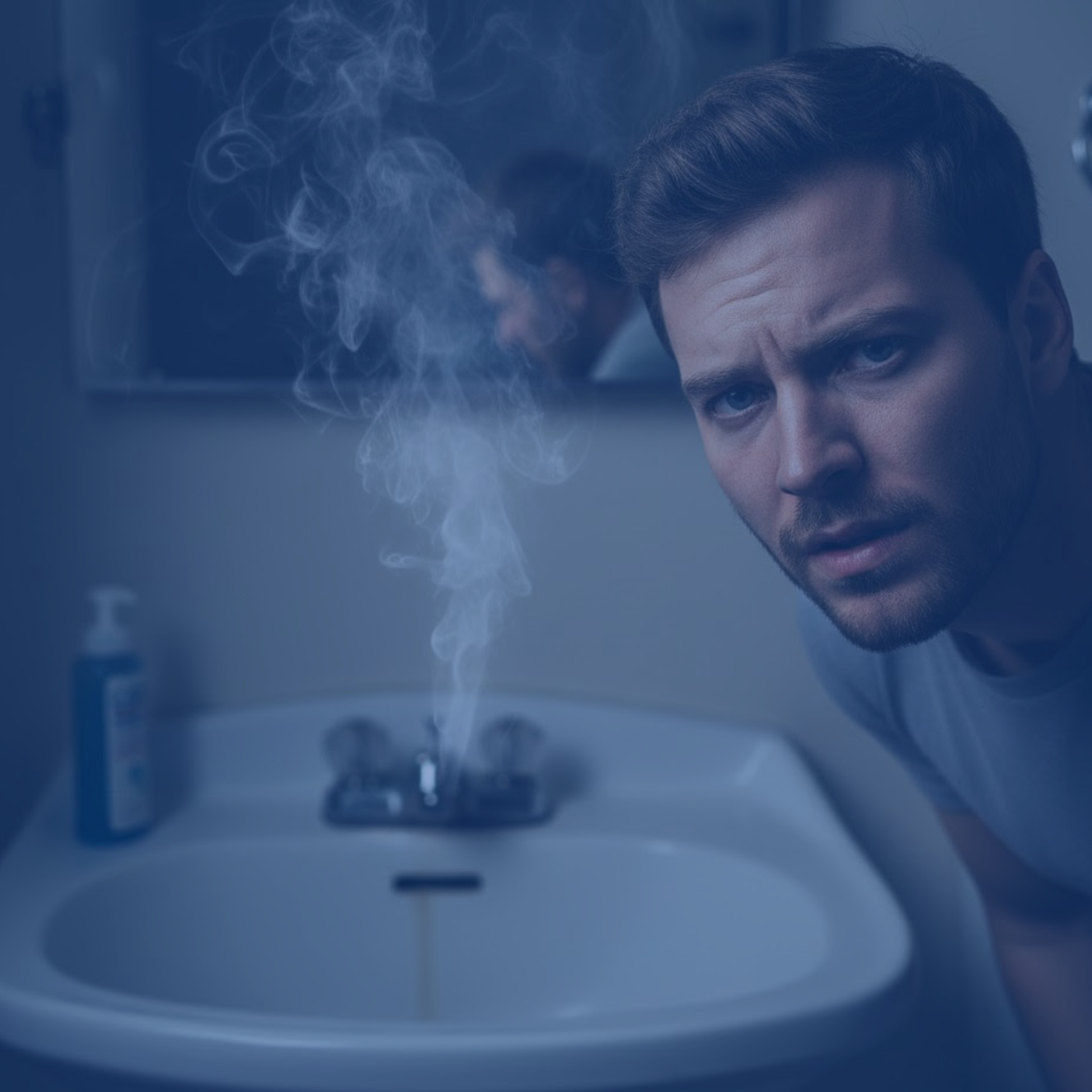
If you keep catching a whiff of rotten eggs or "wet dog" in your hallway or kitchen—even after a deep clean—the issue is likely beneath your floorboards.
When a drain trap dries out or a vent pipe cracks, sewer gases escape into your living space. These aren't just smelly; they can be a health hazard.
5. Frequent "DIY Fixes"
If you find yourself using a plunger or a store-bought drain snake once a month, you aren't actually fixing the problem—you’re just poking a hole in it.
Recurring clogs usually mean there is a structural issue, like a root intrusion or a shifted pipe joint, that no amount of plunging will ever solve.